The global impact of COVID-19 has been profound, particularly for the restaurant and hospitality sector. In response to shifting market dynamics and pandemic-related restrictions, restaurant owners have rapidly adopted technology like never before. This has led to a newfound appreciation for tech tools that were previously undervalued or considered unnecessary.
While third-party delivery and off-premises services have been crucial lifelines for restaurants during the pandemic, surprisingly, other technological solutions such as inventory and labor management have emerged as unsung heroes in today’s restaurant industry. This shift is driven by the need for innovation and optimization amidst market disruptions, challenging restaurateurs to rethink their operations and enhance the customer experience.
Across the globe, restaurant owners are grappling with the uncertainties of a post-pandemic “new normal.” They are facing issues like supply chain disruptions, staffing shortages, and inflation, all of which impact their day-to-day operations. Although the industry is gradually returning to pre-pandemic levels, a recent survey of restaurant operators indicates that more than half believe it will take a year or longer for business conditions to fully normalize.
Restaurateurs are feeling the pinch of the ongoing labor shortage, a problem that has long plagued the restaurant industry but has been worsened by the Great Resignation. To cope with this challenge, restaurant owners are not only cutting down on operating hours but also stepping into roles like waiter/waitress or even chef themselves. These measures are necessary to deal with the unexpected staffing shortages that continue to affect the industry.
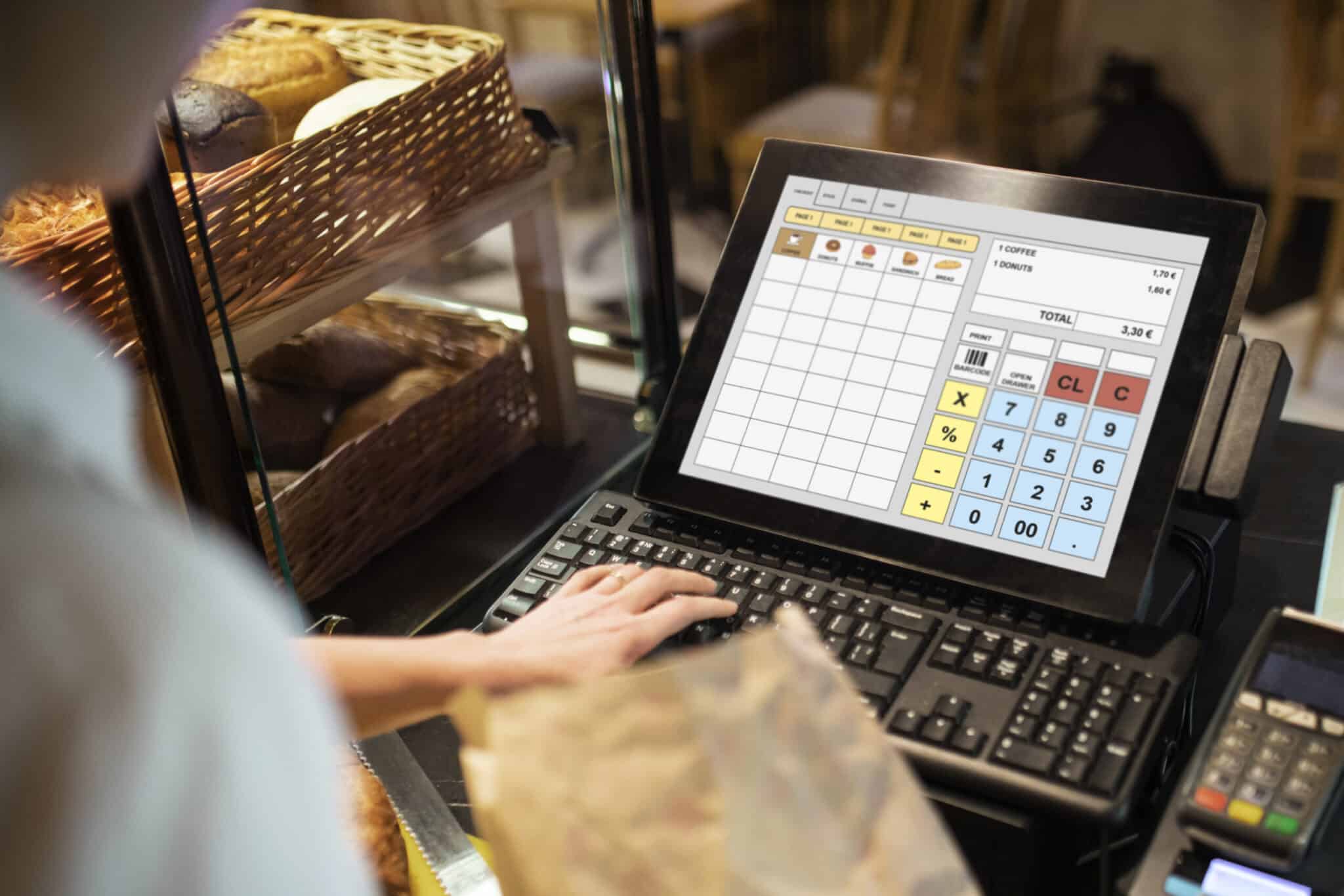
Thankfully, modern point of sale (POS) platforms offer features that can help alleviate the challenges posed by unpredictable staffing issues. While traditional methods like pen and paper have been relied upon in the past to manage workforce needs, there are now smarter solutions readily available to restaurateurs, allowing them to efficiently run their establishments with fewer staff.
Restaurateurs can significantly streamline their operations by implementing a robust labor management system. Such a system encompasses activities like hiring, recruiting, onboarding, and scheduling staff. Over time, these systems have evolved to consolidate various labor operations, making it easier to onboard employees, track productivity and payroll, and reduce administrative paperwork.
In addition to labor management systems, technologies like kitchen display systems, online ordering capabilities, and self-serve kiosks are becoming vital for restaurant survival. Self-service technology, in particular, is proving to be a crucial tool in mitigating the effects of inflation and labor shortages. User-friendly self-service kiosks not only reduce the need for staff at the register but also cut down operational costs and enhance overall efficiency and productivity.
Restaurants are grappling with supply chain shortages and rising food prices, forcing many to rethink their menus. Due to exponential increases in kitchen supplies and wholesale food prices, restaurateurs are finding themselves in a tough spot. To adapt, they are turning to strategies like using lower-cost ingredients, eliminating certain menu items, and adjusting prices. These measures are crucial for maintaining profitability and staying afloat in a challenging market.
In today’s dynamic restaurant industry, having real-time inventory management capabilities can be a game-changer for restaurateurs. This functionality allows them to keep tabs on their bestselling items and set minimum inventory thresholds, making the ordering process much more efficient. For instance, being aware of ingredient levels and having access to waste reports detailing actual food usage can greatly assist in making crucial business decisions.
Traditionally, restaurateurs focused heavily on generating revenue, but the current market trends emphasize the importance of a healthy bottom line. This shift has prompted them to pay more attention to optimizing labor and inventory operations. Additionally, reducing costs by avoiding costly third-party add-ons and utilizing native modules within their POS platform has become essential.
As the effects of the pandemic begin to wane, restaurateurs are faced with the challenge of adapting to the new normal and taking control of their businesses. Cloud-native POS technology serves as a cornerstone in this endeavor, allowing operators to swiftly pivot and implement operational improvements when faced with changes in the market. By leveraging the right point-of-sale solution, restaurant owners can navigate uncertainties more effectively and ensure the success of their establishments.